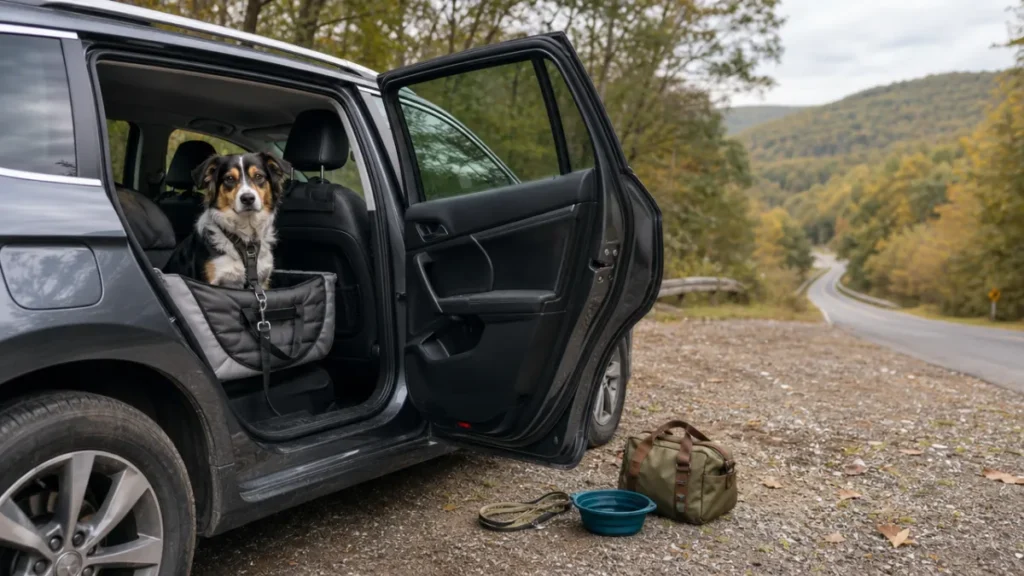
A Pennsylvania road trip with a dog can be rewarding for both of you, but a pet-friendly itinerary takes more than choosing scenic stops. Before leaving, confirm your dog’s health documents, lodging rules, vehicle setup, planned breaks, and access to veterinary care.
Quick answer: Make sure your dog is healthy enough to travel, carries current identification, meets applicable vaccination and licensing requirements, can ride securely, and is allowed at every overnight stay and planned attraction. Recheck weather, traffic, and local pet rules shortly before departure.
Start with your dog, not the destination
A route that looks easy on a map may not suit every dog. Age, health, temperament, motion sensitivity, and experience in the car should shape the length and pace of the trip.
Consider a shorter practice drive before committing to a full day on the road. During that test, note whether your dog settles down, pants heavily, drools, becomes restless, vomits, or reacts to traffic and unfamiliar people. These observations can help you adjust the itinerary or discuss travel concerns with a veterinarian.
Ask whether the trip is appropriate
A veterinary opinion is especially useful for puppies, senior dogs, pregnant dogs, and animals with heart, breathing, mobility, seizure, or anxiety-related conditions.
Do not introduce a sedative or motion-sickness treatment on departure day unless a veterinarian has provided instructions.
Build the schedule around your dog’s normal routine where practical. Familiar meal times, walks, bedding, and commands can reduce stress in an unfamiliar environment.
Verify identification, health records, and local rules
Pet requirements can vary according to where you live, where you stay, and whether you cross state lines. Pennsylvania regulates matters such as dog licensing and rabies vaccination, but travelers should verify the current requirements that apply to their circumstances rather than relying on an old checklist.
| Item to check | Why it matters | Before departure |
|---|---|---|
| Collar tag | Provides immediate contact information if your dog gets loose. | Add a mobile number you will answer during the trip. |
| Microchip | Offers permanent identification if a collar is lost. | Confirm that the registry has your current phone number and address. |
| Rabies record | May be requested by lodging providers, boarding facilities, parks, or authorities. | Carry a digital copy and a paper backup. |
| Dog license | Licensing obligations may apply based on residency and the dog’s age. | Check Pennsylvania and home-state requirements. |
| Health certificate | Some accommodations, events, transport providers, or interstate situations may require documentation. | Ask each relevant provider what it accepts and how recent the document must be. |
Save records where they remain accessible without cell service. A folder containing vaccination information, medication instructions, your regular veterinarian’s contact details, and a recent photograph of your dog is useful in an emergency.
Plan a route with realistic dog breaks
Do not estimate travel time from mileage alone. Add time for water, bathroom breaks, short walks, traffic, and unexpected delays. Many dogs benefit from a break every two to three hours, but puppies, senior dogs, and animals with medical needs may require a different schedule.
Choose stops before you need them
Identify several possible stopping points along the route rather than depending on a single rest area. Look for safe parking, shade, a suitable walking surface, and enough distance from fast-moving traffic.
Keep your dog leashed before opening the vehicle door, even if the stop appears quiet.
Check the individual rules for every park, trail, battlefield, visitor center, restaurant patio, or historic property on the itinerary. “Pet-friendly” may mean that dogs are allowed only outdoors or in specific areas. Leash-length limits and seasonal restrictions can also differ.
Download your route and save key addresses for offline use. Shortly before leaving, check current road conditions and travel alerts. Keep the Pennsylvania road trip packing checklist available while organizing the car.
Set up the vehicle for safety and comfort
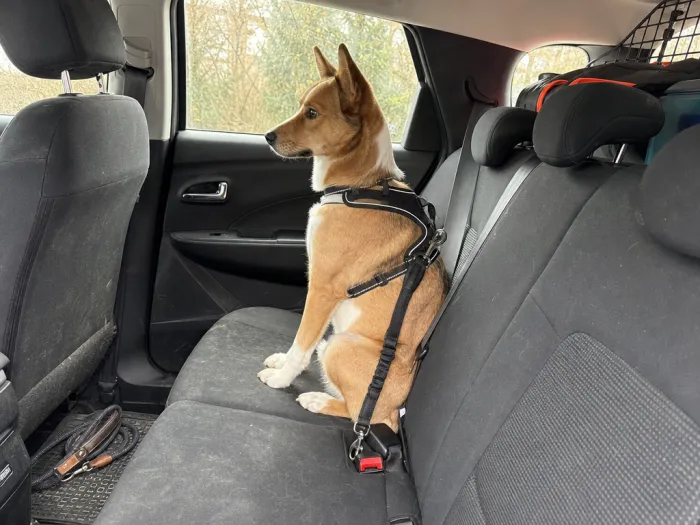
A loose dog can distract the driver and may be injured during sudden braking or a collision. Use a correctly sized carrier or a vehicle restraint designed for canine travel. Follow the manufacturer’s fitting and attachment instructions, and let your dog become familiar with the setup before the trip.
- Place your dog away from an active front airbag.
- Keep the leash within reach, but do not allow it to become tangled around the dog.
- Block access to luggage, food, medication, cleaning products, and loose equipment.
- Use sunshades or climate control when needed without obstructing the driver’s view.
- Never allow your dog to ride in an open truck bed.
- Do not let your dog travel with its head fully outside the window.
Never rely on a cracked window
A cracked window does not make an unattended parked vehicle safe for a dog.
A parked vehicle can heat rapidly, even when outdoor conditions seem mild. Plan meals and stops so that an adult can remain with the dog when necessary, or choose places where the dog can accompany you legally.
Cold weather creates different risks. A parked vehicle can become dangerously cold, while road salt and de-icing products may irritate paws. Carry towels and paw-cleaning supplies, and adjust the route if conditions deteriorate. A flexible Pennsylvania winter road trip itinerary can help with cold-season planning.
Prepare for Pennsylvania weather, ticks, and wildlife
Pennsylvania conditions can change considerably between cities, valleys, ridges, and wooded areas. Check the forecast for each major stop rather than only the departure point. Carry enough water for delays and avoid asking your dog to drink from puddles, ponds, or streams.
Heat and humidity
Move strenuous walks to cooler periods of the day, provide frequent water opportunities, and watch for excessive panting, weakness, confusion, vomiting, or collapse. Flat-faced dogs, heavy-coated breeds, puppies, seniors, and dogs with certain medical conditions may be particularly vulnerable.
Heat illness is an emergency. Stop the activity and seek urgent veterinary guidance if your dog shows serious symptoms.
Ticks and trail hazards
Ask your veterinarian about appropriate parasite prevention before the trip. After wooded or grassy walks, inspect the coat, ears, neck, paws, and areas around the legs. Pack a tick-removal tool and learn how to use it correctly before departure.
Keep your dog on designated routes where required, prevent wildlife chasing, and do not leave food outside. A leash also reduces the chance of encounters with snakes, porcupines, steep drops, contaminated water, or poisonous plants.
Confirm lodging details directly
Do not treat a booking-site pet filter as final confirmation. Contact the property and record its current pet policy. Ask specific questions so there are no surprises at check-in.
- Are dogs accepted in the exact room or accommodation type booked?
- Is there a weight, breed, age, or number limit?
- Are pet fees charged per stay, per night, or per animal?
- May the dog remain alone in the room, including inside a crate?
- Are vaccination records or a deposit required?
- Where is the designated relief area?
- Are there restrictions in shared spaces?
Also consider the physical setting. Exterior doors, elevators, narrow hallways, stairs, nearby traffic, and other guests’ pets may affect whether a property suits your dog. Bring a washable cover for furniture if permitted, along with towels for wet paws.
Never assume that “pet-friendly” means a dog is accepted in every room or may use beds and seating.
Use this dog road trip packing checklist
Pack familiar items where possible, but avoid overloading the passenger area. Store emergency supplies where they can be reached without unpacking the entire vehicle.
- Identification: collar, readable tag, microchip information, license documentation, and a recent photograph.
- Health records: rabies record, vaccination information, medication list, and veterinary contacts.
- Restraint: fitted harness, seat attachment, carrier, regular leash, and a spare leash.
- Food: the usual food, treats, measuring scoop, and an extra supply for delays.
- Water: drinking water, refillable container, and collapsible bowls.
- Medication: labeled prescriptions in sufficient quantity, plus written dosing instructions.
- Cleanup: waste bags, paper towels, pet-safe cleaner, towels, and sealable bags.
- Comfort: familiar blanket or bed and one safe, non-messy toy.
- Weather gear: rain protection, cooling or cold-weather equipment when appropriate, and paw-care supplies.
- First aid: a pet first-aid kit and any items specifically recommended by your veterinarian.
Keep food and medication in their original or clearly labeled containers.
Never give a dog human pain relievers or other medicine unless a veterinarian has specifically directed you to do so.
Make an emergency plan before leaving
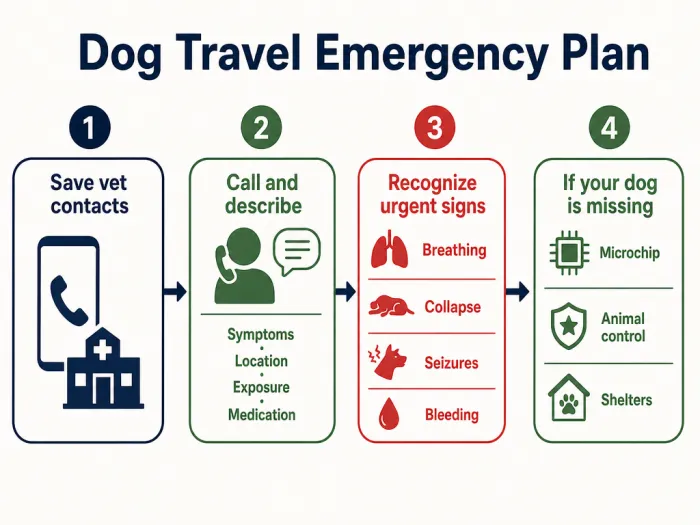
Save the telephone numbers and addresses of veterinary hospitals along the route and near each overnight stop. Confirm which facilities provide emergency or after-hours care because online listings can become outdated.
If your dog becomes ill or injured, call a veterinary professional and describe the symptoms, location, possible exposure, and any medication already given.
Breathing difficulty, collapse, seizures, uncontrolled bleeding, severe trauma, suspected poisoning, or signs of heat illness require urgent professional guidance.
If your dog gets loose
- Move away from traffic and avoid chasing, which may cause the dog to run farther.
- Notify nearby staff, park personnel, or local animal control.
- Contact the microchip registry and mark the dog as missing.
- Share a recent photograph, last known location, time, collar description, and reliable contact number.
- Call nearby shelters and veterinary clinics rather than relying only on social media.
Use current official information to verify state, park, campground, and destination requirements. Regulations, pet access, trail conditions, and accommodation policies can change, so check them again shortly before departure.
Final pre-trip check: Confirm documents, lodging, destination rules, weather, traffic, secure restraint, water, medication, and emergency veterinary contacts. A flexible schedule is usually safer than trying to complete every planned stop.
This article provides general travel-planning information and does not replace veterinary or legal advice.
Mini FAQ
Does my dog need a rabies certificate for a Pennsylvania road trip?
Carry current rabies documentation. Pennsylvania requirements, lodging policies, boarding arrangements, events, and interstate travel circumstances may each affect what is needed. Verify the rules that apply to your dog before departure.
Can dogs visit every Pennsylvania state park?
Do not assume that all areas have identical rules. Pet access can vary by park, trail, beach, building, campground loop, and accommodation. Check the current policy for each destination and observe posted restrictions upon arrival.
How often should I stop when traveling with a dog?
Many dogs benefit from a break approximately every two to three hours, but there is no universal schedule. Age, health, medication, weather, and normal bathroom habits should determine the timing.
Should I feed my dog immediately before driving?
Dogs respond differently to car travel. If your dog experiences nausea, ask a veterinarian about meal timing and safe management rather than changing food or trying medication during the trip.
What should I do on a rainy travel day?
Keep towels, waste bags, a dry resting layer, and a backup plan accessible. Reconfirm whether planned indoor stops allow dogs. A rainy-day Pennsylvania road trip can also help with weather-related planning.
Is a pet-friendly hotel guaranteed to accept my dog?
No. Policies may depend on room type, number of animals, size, breed, or dates. Contact the property directly and keep written confirmation of fees and restrictions.